
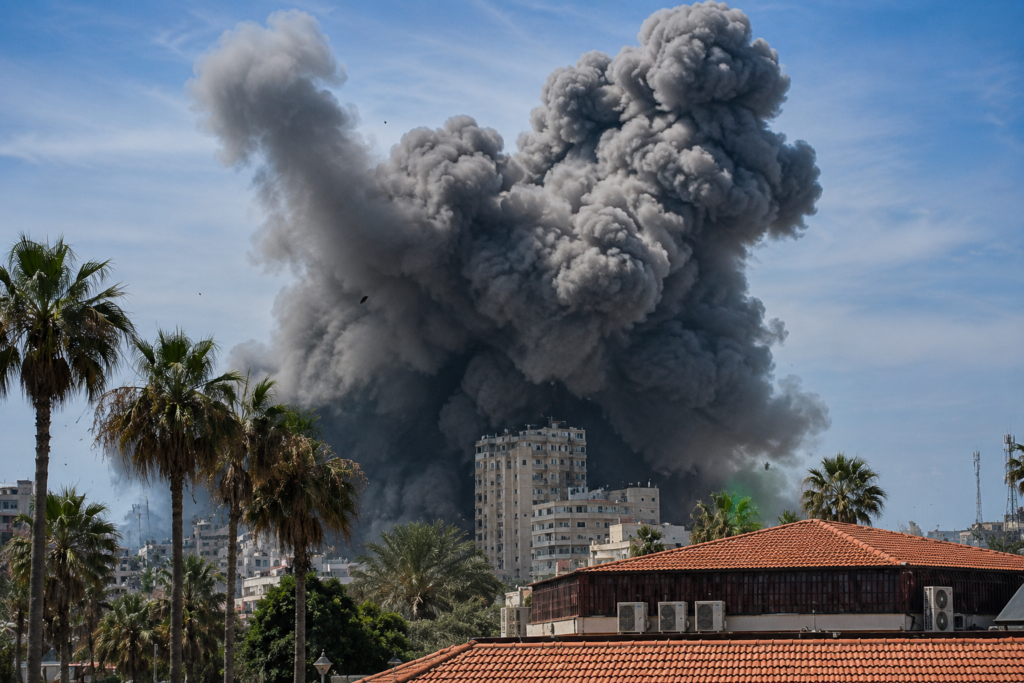
WASHINGTON / BEIRUT: The United States has proposed a new diplomatic framework aimed at reducing escalating tensions between Israel and Lebanon, as fighting involving Hezbollah and Israeli forces continues despite earlier ceasefire efforts.
According to US officials, Secretary of State Marco Rubio held discussions with Lebanese President Joseph Aoun and Israeli Prime Minister Benjamin Netanyahu focused on a pathway toward “gradual de-escalation” along the volatile Israel-Lebanon front.
Under the proposed plan, the first step would require Hezbollah to halt attacks on Israel, while Israel would in turn avoid expanding military operations in Beirut, creating conditions for a broader cessation of hostilities. US officials described the proposal as an attempt to establish a clear sequence for reducing violence and reopening diplomatic space.
Lebanese President Aoun reportedly sought to advance the proposal, but differences remain over implementation. Lebanese Parliament Speaker Nabih Berri, who has positioned himself as a key intermediary with Hezbollah, reportedly argued that Israel must also commit to ending strikes and military action.
The diplomatic push comes as Israel intensifies operations in southern Lebanon. Israeli officials said troops had moved deeper into Lebanese territory following heavy Hezbollah rocket fire toward northern Israel — one of the most significant exchanges since the April truce announcement.
Washington’s latest initiative reflects growing international concern that continued cross-border hostilities could trigger a wider regional escalation involving Lebanon, Israel and Iran-aligned groups operating across the Middle East.
The renewed negotiations underline the increasingly fragile state of regional diplomacy, with ceasefire efforts facing pressure from continued military activity, political divisions and competing security demands on both sides.